
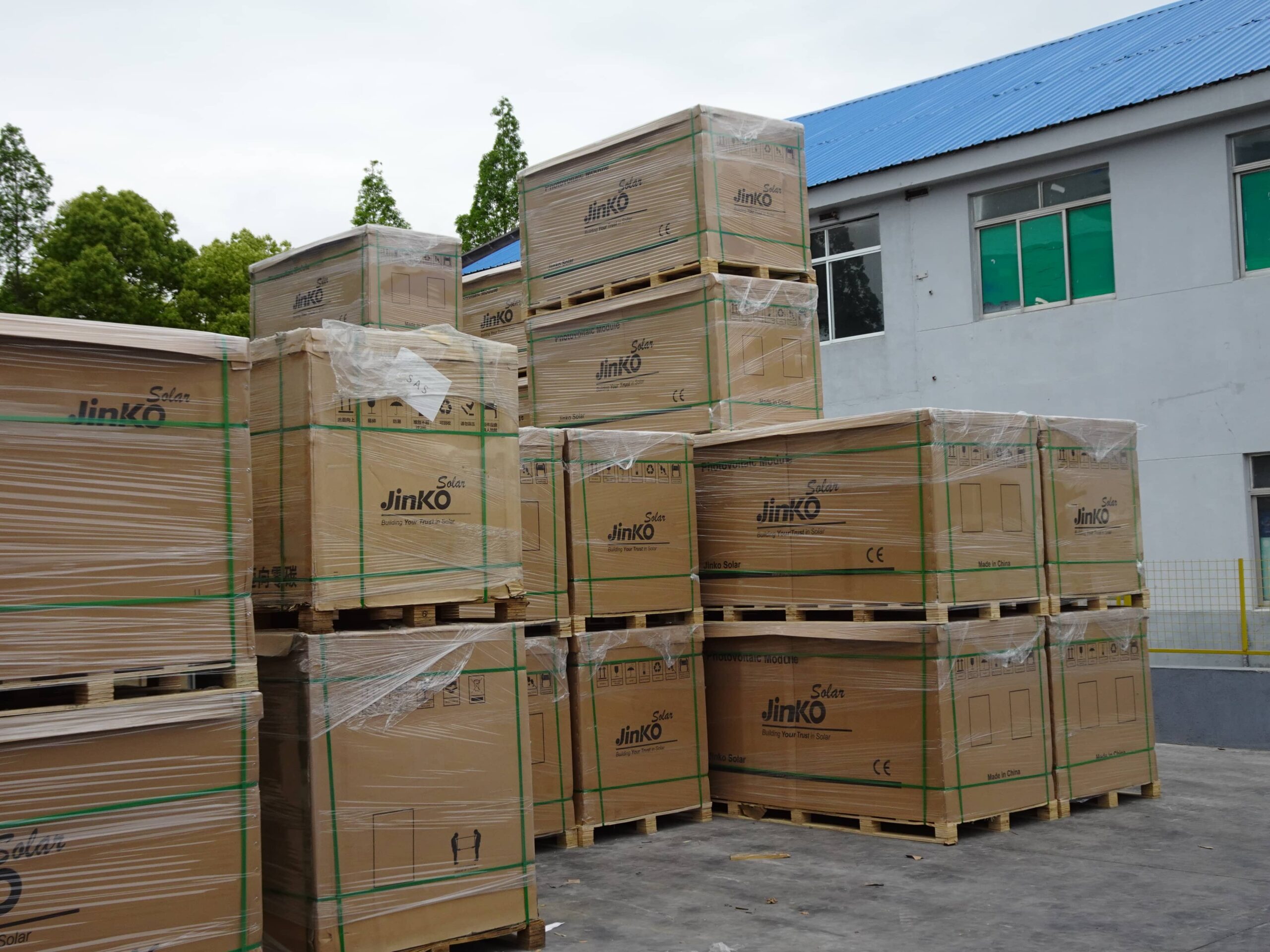
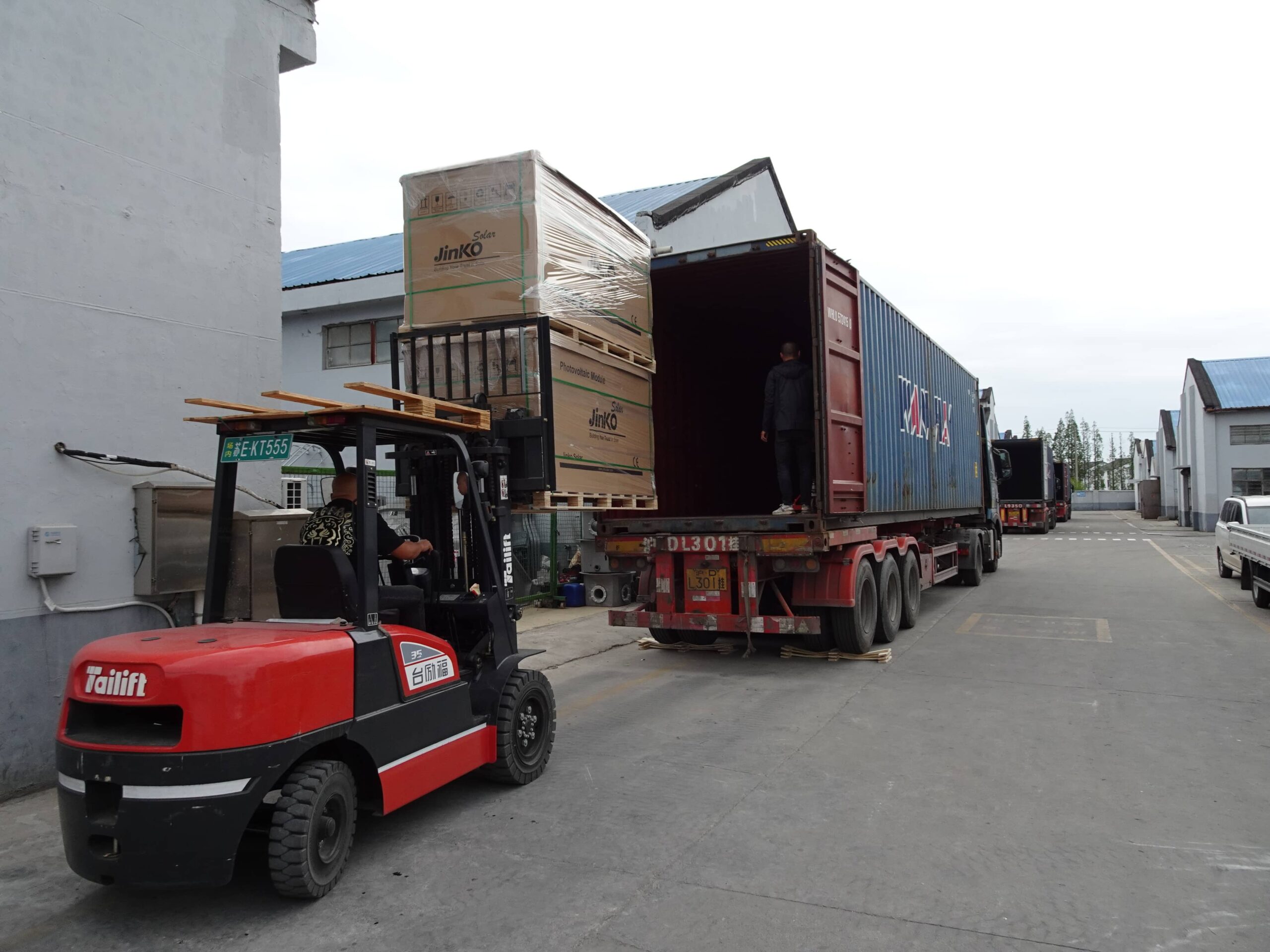
To find a reliable Jinko PV panel supplier, you need to focus on proven product authenticity and long-term service. Choose a supplier who demonstrates a solid track record and offers technical support tailored to your site. A trusted installer will assess your solar needs and ensure you receive the right solution. Use this guide as your checklist when planning your next solar project.
Key Takeaways
Understand your solar energy needs before selecting a professional supplier. This helps you choose the right products for your project.
Analyze your energy usage patterns to determine the size and type of Jinko PV panels you need.
Evaluate your installation site for sunlight exposure and obstructions. This ensures optimal panel performance.
Set a clear budget and performance goals for your solar project. This helps you communicate effectively with suppliers.
Verify that your supplier is authorized to sell Jinko PV panels. This protects you from counterfeit products.
Check the supplier’s experience and track record. A reliable supplier has a history of successful installations.
Compare local and national suppliers to find the best balance of service and product selection.
Request detailed quotes from multiple suppliers. This allows you to compare costs and included services effectively.
Define Your Solar Project Needs
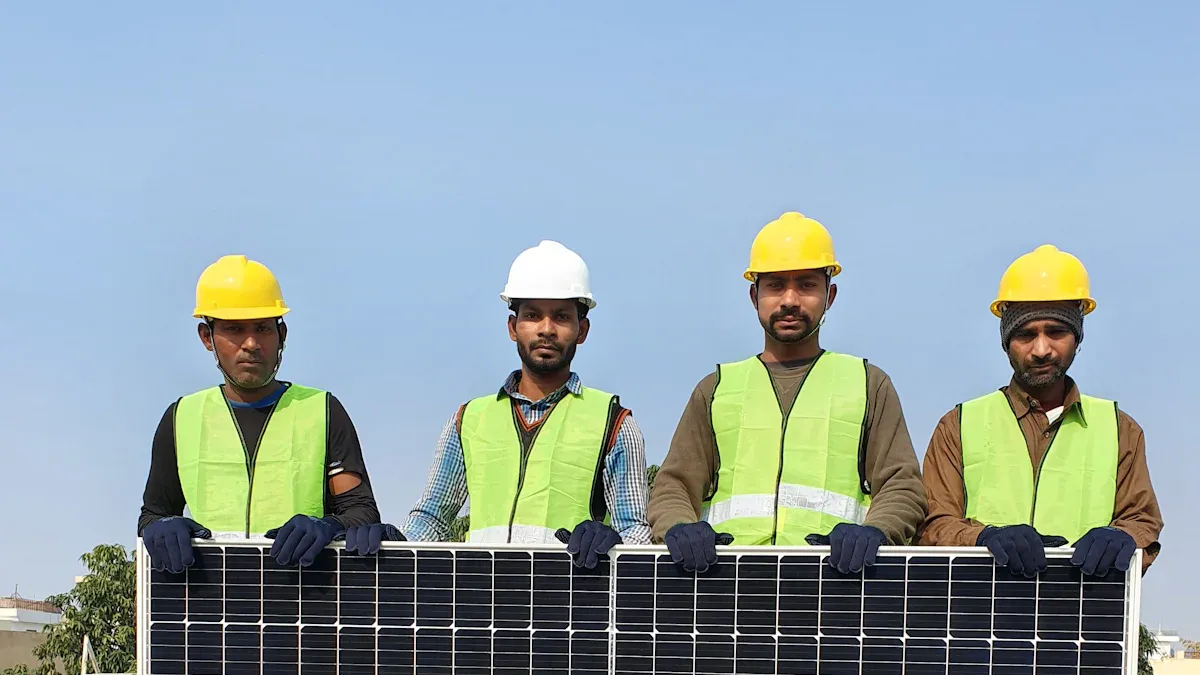
Before you choose a Jinko PV panel supplier, you need to understand your unique solar energy needs. This step ensures that you select the right products and services for your project. Careful planning at this stage will help you avoid costly mistakes and maximize your investment.
Assess Energy Usage
Start by analyzing your current electricity consumption. Look at your utility bills from the past year to identify patterns in your energy use. For residential projects, pay attention to seasonal changes, appliance usage, and peak demand times. Commercial projects often have higher and more consistent energy requirements, so you should review daily and monthly usage trends.
-
Project requirements often depend on:
The size of your installation area
The amount of sunlight your location receives
Your required energy usage
Jinko PV panels offer high efficiency, with some models exceeding 20%. This feature is especially important if you have limited roof space or want to maximize output. Advanced technologies, such as half-cut cell design and PERC technology, further boost energy production and reliability. By matching your energy usage with the right panel model, you ensure your system meets your requirements.
Tip: Create a simple table to track your monthly energy use. This will help you communicate your needs clearly to potential suppliers.
Evaluate Installation Site
Next, evaluate your installation site. Check the orientation and tilt of your roof or ground area. Make sure there are no obstructions, such as trees or nearby buildings, that could cast shadows and reduce panel performance. The amount of available sunlight directly affects how much energy your system can produce.
For both residential and commercial sites, measure the usable area and note any unique features. Some locations may require custom mounting solutions or additional equipment. Understanding these requirements early will help you choose the right Jinko PV panel and avoid delays during installation.
Set Budget and Goals
Set a clear budget for your solar project. Decide how much you want to invest and what you expect in return. Consider both upfront costs and long-term savings on your electricity bills. Define your performance goals, such as reducing your carbon footprint or achieving energy independence.
List your requirements for warranties, maintenance, and future expansion. This approach helps you compare suppliers and products more effectively. When you know your budget and goals, you can focus on solutions that fit your needs and avoid unnecessary features.
Note: Setting realistic goals and a clear budget will make it easier to communicate with suppliers and ensure your project stays on track.
By following these steps, you lay a strong foundation for your solar project. You will be ready to discuss your requirements with Jinko PV panel suppliers and find the best match for your solar energy needs.
Research Jinko PV Panel Suppliers
Choosing the right solar panel supplier is a critical step in your solar project. You want to ensure that you receive genuine Jinko solar panels, reliable service, and long-term support. The solar energy market offers many options, but not all suppliers meet the same standards. Use the following steps to identify the best partner for your needs.
Verify Authorization and Certifications
Start by confirming that your supplier is officially authorized to sell Jinko PV panel products. Authorized suppliers, such as Angsun solar energy, guarantee that you receive authentic panels directly from the Jinko original manufacturer. This step protects you from counterfeit products and ensures you benefit from full manufacturer warranties.
Check for certifications that prove the supplier meets industry standards. Look for documentation such as ISO certifications, local business licenses, and proof of partnership with Jinko, a leading solar panel manufacturer. These credentials show that the supplier follows strict quality control processes and delivers high quality products.
Tip: Ask the supplier to provide copies of their certifications and authorization letters. Genuine suppliers will share this information without hesitation.
Check Experience and Track Record
Experience matters when selecting a solar panel supplier. You want a partner who understands the technical details of Jinko solar panels and has a proven history of successful installations. Review the supplier’s portfolio to see if they have completed projects similar to yours, whether residential or commercial.
Consider the following checklist when evaluating experience:
Years in the solar industry
Number of Jinko PV panel installations completed
Types of projects handled (residential, commercial, industrial)
Customer satisfaction ratings
A supplier with extensive experience can help you choose the right panel model for your site. They can also troubleshoot challenges during installation and provide valuable advice on maximizing panel performance. Reliable suppliers work closely with the solar panel manufacturer to stay updated on the latest technology and best practices.
Note: A strong track record signals that the supplier can deliver consistent results and handle unexpected issues.
Compare Local and International Suppliers
You should compare both local and national suppliers before making your decision. Local suppliers often provide faster response times and personalized service. They understand regional regulations and can assist with permitting and inspections. National suppliers may offer a wider selection of Jinko solar panels and access to advanced technical resources.
Use the table below to compare key factors:
Factor | Local Supplier | National Supplier |
|---|---|---|
Response Time | Fast | Moderate |
Product Selection | Limited | Extensive |
Knowledge of Local Codes | High | Varies |
Access to Latest Models | Varies | High |
After-Sales Support | Personalized | Structured |
When you compare options, focus on the supplier’s ability to deliver panels that match your project’s requirements. Ask about their installer network and how they handle after-sales service. The best supplier will combine local expertise with access to the latest Jinko solar panels and ongoing support.
Remember: The right supplier will help you navigate the solar energy market, select the best panel for your needs, and ensure a smooth installation process.
By following these steps, you increase your chances of finding a solar panel supplier who delivers genuine Jinko PV panel products, expert guidance, and reliable long-term service. This careful research lays the groundwork for a successful solar project.
Evaluate Jinko Solar Panels Offered
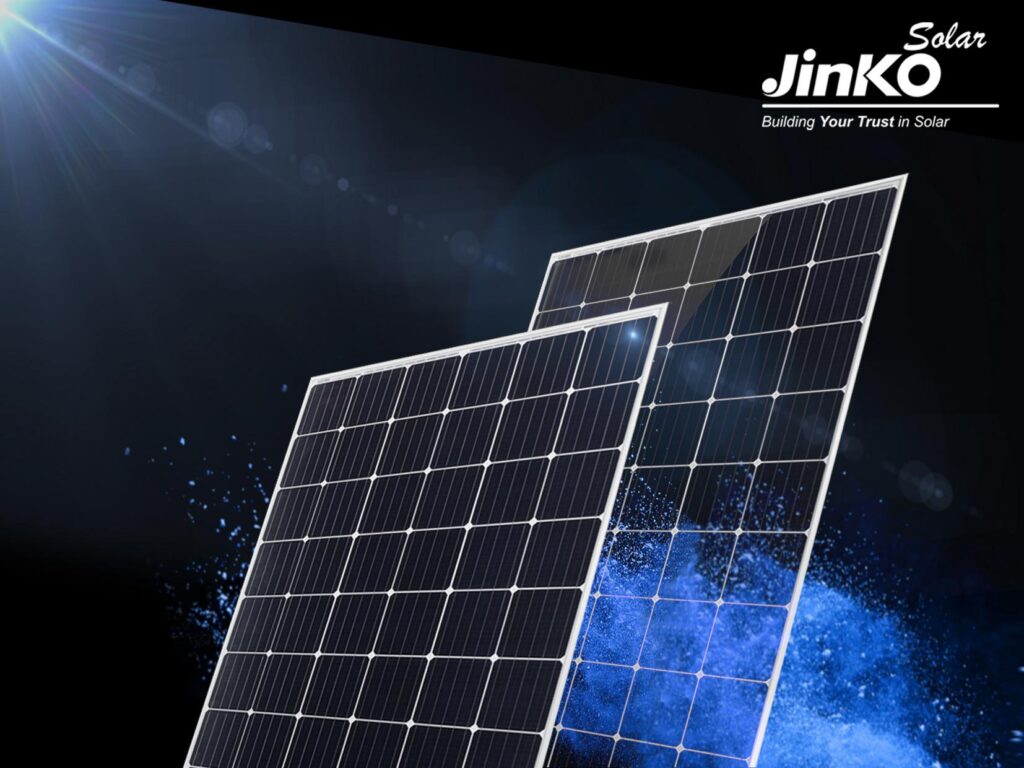
When you evaluate Jinko solar panels from different suppliers, you need to focus on the technical specifications, authenticity, and warranty terms. These factors determine the long-term value and reliability of your solar investment.
Compare Panel Models and Specs
You should start by comparing the available panel models and their technical specifications. Jinko solar panels come in several types, each designed for specific energy production needs and installation environments. The right choice depends on your site conditions and your energy goals.
Here is a comparison of key Jinko PV panel models and their specs:
Panel Type | Conversion Efficiency | Service Life | Key Features |
|---|---|---|---|
Monocrystalline Silicon Panels | Above 18% (up to 21%) | More than 25 years | High efficiency, long service life, aesthetically pleasing design |
Polycrystalline Silicon Panels | 15%-18% | 20-25 years | Lower efficiency, cost-effective, stable power output |
PERC Technology | More than 20% | N/A | Improved efficiency, better low-light performance, temperature resistance |
Bifacial Photovoltaic Technology | 20%-30% increase | N/A | High power generation efficiency, suitable for reflective environments |
Monocrystalline panels deliver the highest efficiency and longest service life. Polycrystalline panels offer stable energy production at a lower cost. PERC technology boosts efficiency and performance in low-light conditions. Bifacial solar pv modules increase energy production by capturing sunlight from both sides, making them ideal for commercial installations with reflective surfaces.
Tip: Ask your supplier to recommend the best panel type for your site and energy production goals. This ensures you maximize the efficiency and quality of solar panels in your system.
Confirm Product Authenticity
You must confirm the authenticity of Jinko PV panel products before making a purchase. Counterfeit panels can lead to poor performance and voided warranties. Reliable suppliers will help you verify the quality of solar panels and protect your investment.
Follow these steps to confirm authenticity:
Check the price. If the price is much lower than the market average, the panel may be counterfeit.
Look for certifications. Genuine Jinko solar panels display certifications from organizations like IEC or UL on the nameplate.
Inspect the build quality. Examine the panel for a stable outer coating and check for cracks or defects in the solar cells.
Review warranty information. Authentic panels come with long warranties, usually 20-25 years. Short or missing warranties are a warning sign.
Consult experts. If you have doubts, ask a solar specialist to verify the panel’s authenticity.
You should always request documentation from your supplier and inspect the panels before installation. This process helps you avoid costly mistakes and ensures reliable energy production for years.
Review Warranty Terms
Warranty and after-sales service play a crucial role in your solar investment. Jinko solar panels stand out in the industry by offering a 25-year warranty, which reflects the company’s commitment to durability and long-term performance. You should compare warranty terms across different brands and suppliers to make an informed decision.
Here is a comparison of standard warranty terms:
Brand | Product Warranty | Additional Warranty |
|---|---|---|
Jinko Solar | 12 years | 25 years |
Trina Solar | 10 years | N/A |
Jinko Solar offers a 12-year product warranty.
Trina Solar provides a standard 10-year product warranty.
Jinko’s warranty is longer than many other brands in the industry.
A longer warranty period means you can rely on your solar pv modules for consistent energy production and support. You should also ask your supplier about warranty coverage for installation and after-sales service. Reliable suppliers will help you understand the terms and assist you with any claims or maintenance needs.
Note: Always read the warranty documents carefully and keep them for future reference. This protects your investment and ensures you receive support if you encounter any issues with your panels.
By comparing panel models, confirming authenticity, and reviewing warranty terms, you can select Jinko PV panel products that deliver high efficiency, reliable energy production, and long-term value for your solar project.
Assess Technical Support and Service
Choosing a supplier with strong technical support and service can make a significant difference in your solar project’s success. You need a team that understands the details of solar panel installation and provides ongoing assistance to maintain high efficiency and production. Reliable support ensures your system delivers consistent performance for years.
Installation Expertise
You should always check the qualifications of the installation team before starting your solar installation. A skilled installer knows how to optimize panel placement for maximum efficiency and safety. For both residential and commercial projects, proper setup prevents future issues and protects your investment.
Certified teams follow strict standards. The table below lists important certifications for installation teams:
Certification Body | Description |
|---|---|
Energy Market Authority (EMA) | Ensures compliance with energy regulations. |
Building and Construction Authority (BCA) | Oversees building safety and standards. |
SP Group | Required for grid-tied solar systems. |
Ask your supplier about these certifications. Qualified professionals understand local codes and can handle complex solar panel installation tasks. They also help you avoid delays and costly mistakes.
Tip: Request a portfolio of completed solar installation projects from your supplier. This helps you judge their experience and expertise.
Long-Term Service Plans
Long-term service plans protect your solar investment. You should look for suppliers who offer regular maintenance, system monitoring, and performance checks. These services help you maintain high energy production and extend the life of your Jinko PV panels.
A good supplier will provide:
Scheduled inspections to detect issues early
Cleaning services to keep panels operating at peak efficiency
System upgrades for future expansion
You should ask about the details of these plans before signing any contract. Reliable service plans ensure your solar system continues to deliver strong performance, whether for residential or commercial use.
After-Sales Support
After-sales support is essential for a smooth solar experience. You need a supplier who responds quickly to questions and resolves problems without delay. Strong support includes warranty assistance, troubleshooting, and guidance on system optimization.
Look for suppliers who offer:
Dedicated customer service teams
Fast response times for repairs and maintenance
Clear communication channels
A supplier with excellent after-sales support helps you maximize your solar panel installation’s efficiency and production. You gain peace of mind knowing help is available when you need it.
Note: Reliable after-sales support can prevent small issues from becoming major problems. Always confirm the support options before making your final decision.
By assessing technical support and service, you ensure your solar project receives expert installation, ongoing care, and responsive assistance. This approach helps you achieve the best possible performance from your Jinko PV panels.
Get Quotes and Compare Value
Choosing the right solar panel supplier involves more than just looking at the price tag. You need to compare detailed quotes, financing options, and value-added services to make sure you get the best return on your investment. This approach helps you maximize your roi and ensures your solar project delivers long-term benefits.
Request Detailed Quotes
Start by requesting detailed quotes from several pre-vetted solar panel suppliers. A good quote should break down all costs, including equipment, installation, permits, and after-sales support. Ask each supplier to list the specific Jinko PV panel models, warranty terms, and any additional services included. This level of detail allows you to compare offers side by side.
Tip: Do not focus only on the lowest price. Look for competitive pricing that includes high-quality products and reliable service. A supplier who provides a clear and transparent quote shows professionalism and builds trust.
Explore Financing Options
Financing can make your solar installation more affordable and improve your roi. Many suppliers offer flexible payment plans to fit different budgets. Here are some common financing options you may encounter:
Traditional upfront purchase
$0 upfront cost offers
You should ask each solar panel supplier about their available financing programs. Some options let you start your project with little or no money down, which can help you manage cash flow and see savings sooner. Flexible payment plans can also make solar more accessible for both homeowners and businesses.
Consider Value-Added Services
When comparing quotes, pay attention to value-added services that can boost your roi. These services may include system monitoring, extended warranties, or free maintenance for a set period. Some suppliers provide energy usage analysis or help with government rebates and incentives.
A table can help you compare value-added services:
Supplier Name | System Monitoring | Extended Warranty | Maintenance Included | Rebate Assistance |
|---|---|---|---|---|
Supplier A | Yes | Yes | 1 year | Yes |
Supplier B | No | Yes | No | No |
Supplier C | Yes | No | 2 years | Yes |
Choosing a supplier who offers strong support and extra services can make your solar installation more reliable and cost-effective. These benefits often lead to higher satisfaction and better long-term performance.
Note: Always review what is included in each quote. A higher upfront cost may deliver greater value over time if it comes with better support and services.
By following these steps, you can confidently select a solar panel supplier who delivers quality, competitive pricing, and strong roi for your solar project.
Check Reviews and References
Selecting a reliable Jinko PV panel supplier requires more than just comparing technical specs or prices. You need to check reviews and references to understand how suppliers perform in real-world situations. This step helps you avoid costly mistakes and ensures your solar project runs smoothly from start to finish.
Read Customer Testimonials
Customer testimonials give you insight into the experiences of others who have worked with a supplier. When you read these stories, you learn about the supplier’s communication, installation quality, and after-sales support. Look for testimonials that mention Jinko PV panels and highlight successful solar installations.
-
Focus on testimonials that describe:
Timely project completion
Professional installation teams
Clear communication throughout the process
Tip: Suppliers who display authentic testimonials on their website or social media often value transparency and customer satisfaction.
Analyze Case Studies
Case studies provide detailed examples of completed projects. These stories show how a supplier handled specific challenges and delivered results. You can see how Jinko PV panels performed in different environments and applications.
A good case study will include:
Project Type | Location | System Size | Key Outcomes |
|---|---|---|---|
Residential Roof | Urban Area | 5 kW | Reduced energy bills by 30% |
Commercial Office | Industrial Park | 50 kW | Improved energy reliability |
By analyzing case studies, you gain a deeper understanding of the supplier’s expertise and the real-world benefits of their solar solutions.
Seek Peer Recommendations
Peer recommendations can be one of the most valuable sources of information. Ask friends, neighbors, or business contacts who have installed solar systems about their experiences. They can share honest feedback about the supplier’s reliability, quality of service, and how well the Jinko PV panels performed over time.
-
Create a checklist when talking to peers:
Did the supplier meet deadlines?
Was the installation process smooth?
How responsive was the supplier to questions or issues?
Note: Peer recommendations often reveal details that online reviews or testimonials might miss.
Checking reviews and references gives you a complete picture of a supplier’s reputation. You make informed decisions and increase your chances of a successful solar project.
Ensure Compliance and Permits
Local Regulations
You must follow local regulations when installing Jinko PV panels. Each city or region sets rules for solar energy systems. These rules protect public safety and ensure your installation meets technical standards. You should check with your local building department before starting your project. Some areas require specific certifications for Jinko Solar panel models. Others may have restrictions on panel placement or system size.
Tip: Contact your local energy authority for a checklist of solar installation requirements. This step helps you avoid delays and costly changes.
A supplier with experience in your area can guide you through these rules. They know how to match Jinko PV panel specifications with local codes. This expertise ensures your system passes inspection and operates safely.
Permitting Assistance
Getting permits is a key part of any solar project. You need approval from local agencies before installing Jinko solar panels. The process often includes submitting technical drawings, product certifications, and site plans. Some suppliers offer permitting assistance as part of their service. They prepare documents and handle communication with officials.
Here is a list of common permit documents:
Site layout plan
Electrical wiring diagram
Jinko Solar panel certification
Installer license
Structural assessment report
You should ask your supplier if they provide permitting support. This service saves you time and reduces stress. Suppliers familiar with Jinko PV panel products can quickly gather the right paperwork. They also know how to address questions from inspectors.
Note: Permitting assistance can speed up your project and prevent mistakes. Choose a supplier who understands local requirements and Jinko Solar documentation.
Inspection and Approval
After installation, your solar system must pass inspection. Inspectors check that Jinko PV panels meet safety and performance standards. They review wiring, mounting, and system integration. You should schedule inspections as soon as installation finishes. Fast approval lets you start using your Jinko solar panel system without delay.
A reliable supplier coordinates with inspectors and prepares your system for review. They fix any issues before the inspection. This proactive approach helps you avoid rework and extra costs.
Inspection Step | What Inspectors Check | Your Supplier’s Role |
|---|---|---|
Panel Placement | Secure mounting, correct orientation | Prepare site for inspection |
Electrical Safety | Proper wiring, grounding | Provide documentation |
System Performance | Meets local standards | Address inspector feedback |
Callout: Always keep inspection reports and approval documents. These records prove your Jinko PV panel system meets all legal requirements.
By following local regulations, securing permits, and passing inspections, you protect your investment in Jinko Solar panels. You also ensure safe, reliable energy production for years to come.
Make Your Final Choice
Review Findings
You have gathered a lot of information about each solar panel supplier. Now, you need to review your findings and compare the most important factors. Start by looking at the warranties offered. A strong warranty protects your investment and shows the supplier’s confidence in their panels and installation work.
Here is a table to help you compare warranty types and durations:
Warranty Type | Duration | Details |
|---|---|---|
Product Warranty | 25 years | Covers defects and material issues. |
Performance Warranty | 30 years | Ensures about 87% output after 30 years. |
You should also check for installation warranties, which usually last 5 to 10 years and cover workmanship and mounting structures. Review the supplier’s maintenance services, system monitoring tools, and customer service availability. These features help you maintain high efficiency and stable production over time.
Tip: Make a checklist of your top priorities, such as warranty support, efficiency, and after-sales service. This will help you see which supplier matches your needs best.
Consult with Solar Specialists
Before you make your final decision, consult with solar specialists. These experts can answer your questions about panel efficiency, system performance, and installation quality. They can also help you understand how different panels will perform at your site and what you can expect in terms of energy production.
Solar specialists often use advanced tools to model your system’s output and efficiency. They can explain the benefits of different monitoring systems and maintenance plans. By talking to an expert, you gain confidence that you are choosing the right supplier and the best panels for your project.
Note: A good solar specialist will not pressure you. Instead, they will help you make an informed choice based on your goals and site conditions.
Select Your Supplier
After you review your findings and consult with experts, you are ready to select your supplier. Choose the solar panel supplier who offers the best combination of warranty coverage, efficiency, and customer support. Make sure they provide clear documentation for all warranties and services.
Look for these key features in your chosen supplier:
Strong warranty support for both product and performance
Reliable installation warranty
Maintenance and monitoring services
Responsive customer service
Selecting the right supplier ensures your panels deliver high performance and reliable energy production for many years. You protect your investment and enjoy the benefits of solar energy with peace of mind.
You can secure a successful solar project by following a clear process when choosing your supplier. Use the checklist below to guide your decision:
Evaluate the installation environment
Assess the system support
Balance budget with efficiency requirements
Aspect | Details |
|---|---|
Price Consideration | Initial investment may be higher (15-25% more) but leads to long-term savings. |
Solar Efficiency | Modules average 20-24% efficiency, ensuring high yield and durability. |
Solar Maintenance | Minimal maintenance, with annual cleaning costs of $50-$100. |
A reliable supplier offers technical support, long-term service, and authentic products. Use these criteria as your checklist and move forward with confidence.
FAQ
What makes Jinko PV panels a reliable choice for solar projects?
Jinko PV panels offer high conversion efficiency and long service life. You benefit from advanced technologies like PERC and bifacial modules. Jinko Solar provides strong warranties and proven product authenticity.
How do I verify my supplier offers genuine Jinko Solar products?
Ask for official authorization documents and product certifications. You should check for Jinko Solar logos and serial numbers on the panels. Reliable suppliers provide warranty information and technical support for authentic products.
Which Jinko PV panel model suits residential installations best?
Monocrystalline Jinko PV panels work well for homes. These models deliver high efficiency and a sleek design. You maximize energy output even with limited roof space.
What warranty coverage does Jinko Solar provide?
Jinko Solar offers a 12-year product warranty and a 25-year performance warranty. You receive coverage for defects and guaranteed energy output. Always review warranty documents before purchase.
Can my supplier help with local permits and compliance?
Most authorized Jinko Solar suppliers assist with permits and local regulations. You get help preparing documents, site plans, and certifications. This support streamlines your installation process.
How does technical support benefit my Jinko PV panel system?
Technical support ensures proper installation and ongoing maintenance. You receive troubleshooting, system monitoring, and advice on maximizing panel efficiency. Strong support keeps your Jinko PV panels performing reliably.
What factors affect the price of Jinko PV panels?
Panel model, efficiency rating, and included services influence price. You should compare quotes for equipment, installation, and after-sales support. Higher efficiency panels may cost more but deliver better long-term savings.
Where can I find customer reviews for Jinko Solar suppliers?
Check supplier websites, industry forums, and social media for testimonials. You can also ask for references and case studies. Peer recommendations help you choose a trusted Jinko Solar supplier.