
-2-1024x1024.jpg)
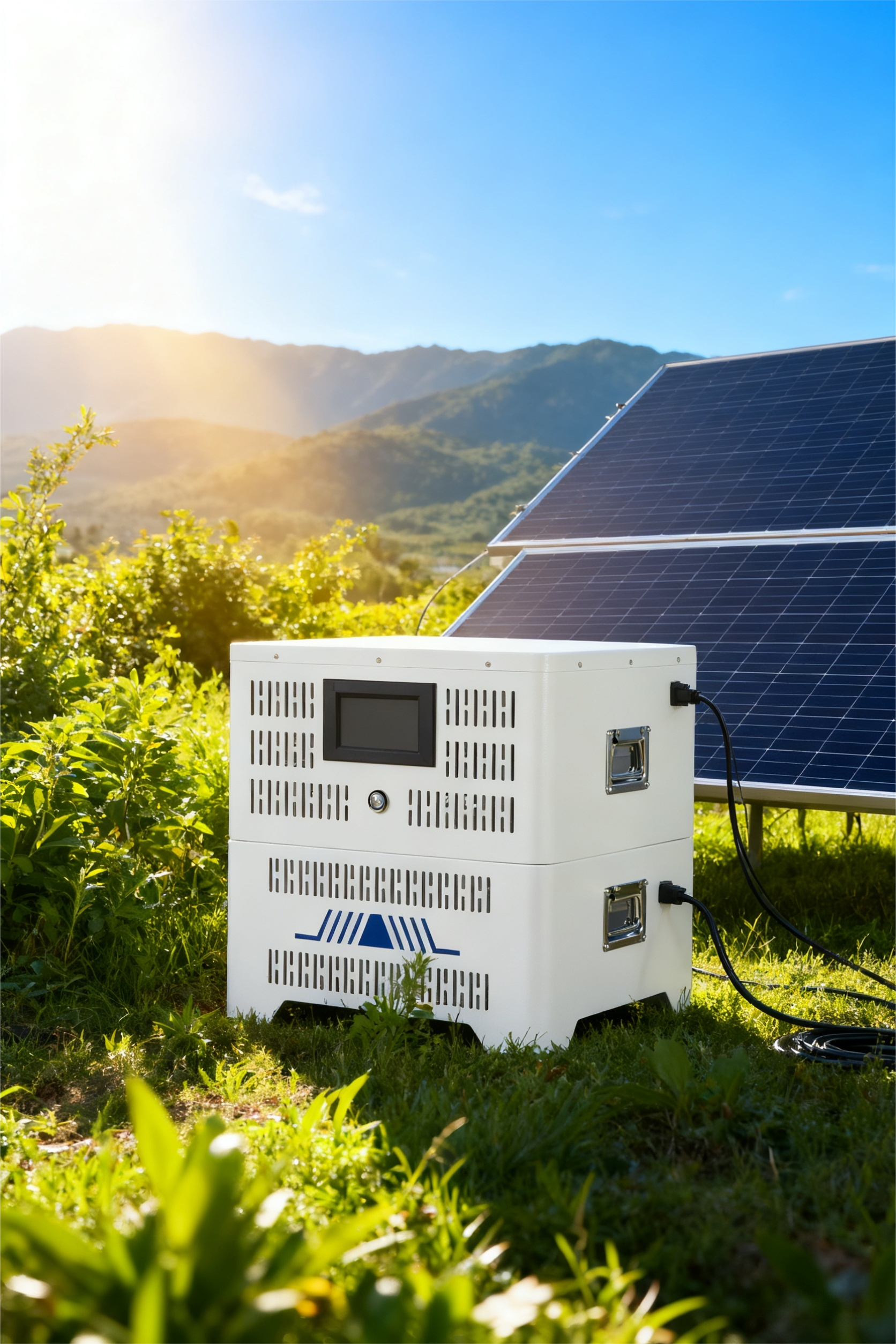
You want the best inverter for your solar system, but no single choice fits every situation. High frequency inverters and line frequency inverter models each offer unique advantages. You should consider factors like cost, efficiency, load type, and expected lifespan. By understanding these key points, you can make a smarter decision for your energy needs.
Key Takeaways
High frequency inverters offer higher efficiency, typically reaching 90-95%, reducing energy loss and maximizing power output from solar panels.
Line frequency inverters are known for their durability and ability to handle high surge currents, making them ideal for heavy-duty applications.
Consider your specific application when choosing an inverter; high frequency models suit residential and portable setups, while line frequency models excel in industrial environments.
Budget plays a crucial role; high frequency inverters are generally less expensive, making them a cost-effective choice for many homeowners.
Space constraints matter; high frequency inverters are compact and lightweight, allowing for easier installation in tight areas.
Evaluate the load type; high frequency inverters work well with stable loads, while line frequency inverters are better for devices with high starting currents.
Maintenance needs differ; line frequency inverters require less upkeep due to their robust design, while high frequency inverters may need more frequent checks.
Consult with experts like Angsun Solar to ensure you select the right inverter that meets your energy needs and installation requirements.
High Frequency Inverter Overview
Definition
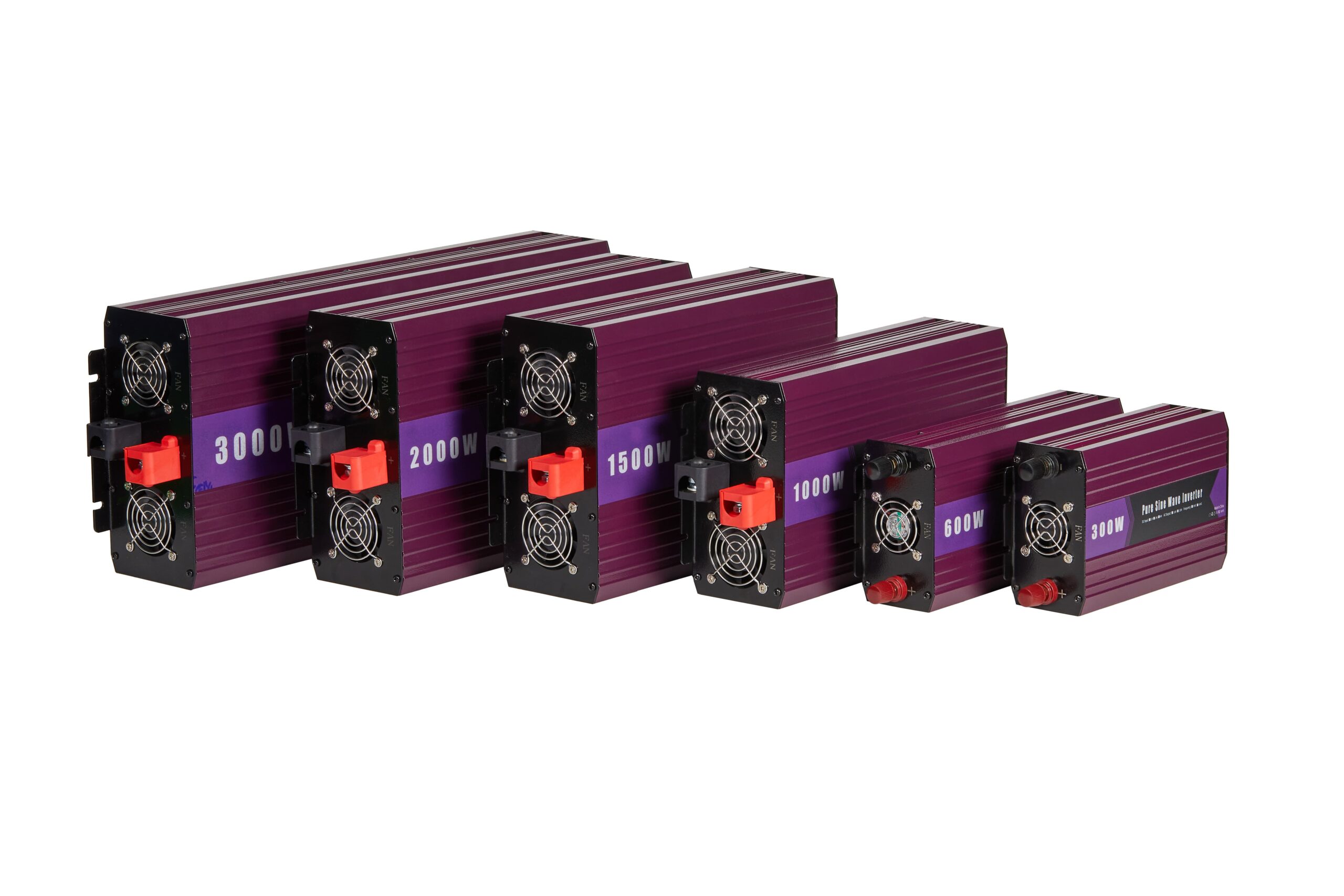
A high frequency inverter uses advanced pulse width modulation technology to convert DC power into AC power. You will find that this inverter operates by switching current at frequencies up to 25 kHz, much higher than traditional models. This rapid switching allows you to control output power with great precision. In solar applications, the high frequency inverter takes the DC electricity from your panels and transforms it into usable AC power for your home or business.
Operation
You benefit from the way a high frequency inverter manages voltage conversion. The inverter first converts incoming DC power to AC using multiple smaller transformers and electronic components. It switches the current at very high speeds, which helps reduce energy loss and improves efficiency. This design also enables the inverter to adjust output quickly, making it ideal for applications that require precise power control.
Applications
You can use a high frequency inverter in many settings. These inverters work well in residential solar systems, portable power stations, and backup power supplies. Their compact size and lightweight design make them perfect for installations where space is limited. You will also see high frequency inverter models used in small commercial setups and mobile solar solutions.
Features
Efficiency
You will notice that a high frequency inverter offers impressive efficiency. Most models reach an efficiency range of 90-95%, especially when you choose a high quality sine wave inverter. Lower quality modified sine wave options may drop to 75-85%, but high frequency inverter technology generally outperforms low-frequency alternatives. This means you get more usable power from your solar panels and less energy lost as heat.
Size and Weight
A high frequency inverter stands out for its compact and lightweight build. You can easily install these inverters in tight spaces or mount them on walls without worrying about heavy equipment. The use of smaller transformers and advanced electronics keeps the overall footprint minimal. This feature makes high frequency inverter systems ideal for homes, RVs, and portable solar kits.
Cost
You will find that a high frequency inverter often costs less than traditional line frequency models. Manufacturers use smaller components and streamlined designs, which reduces production expenses. This lower cost makes high frequency inverter solutions attractive for budget-conscious homeowners and small businesses.
Tip: If you have limited space or need a lightweight solution, a high frequency inverter is a smart choice. You will also enjoy quieter operation, as these inverters produce less noise compared to bulkier models.
Feature | High-Frequency Inverters | Low-Frequency Inverters |
|---|---|---|
Operation | Converts DC to AC at higher frequencies (tens of kHz to hundreds of kHz) | Converts DC to AC at standard frequencies (50/60 Hz) |
Design | Uses multiple smaller transformers, more components | Typically uses a single bulky transformer |
Size and Weight | More compact and lightweight due to smaller components | Bulkier and heavier due to larger components |
Efficiency | Higher efficiency due to reduced energy losses | Generally lower efficiency |
Cost | Can be less expensive to manufacture | Often more expensive due to larger components |
Performance | Advanced features like precise power control and better harmonic distortion control | Basic performance without advanced features |
Applications | Suitable for residential solar systems, portable power | Commonly used in larger systems and industrial applications |
You should consider a high frequency inverter if you want a reliable, efficient, and affordable solution for your solar power needs. The combination of high efficiency, small size, and lower cost makes this inverter type a popular choice for modern solar installations.
Line Frequency Inverter Overview
Definition
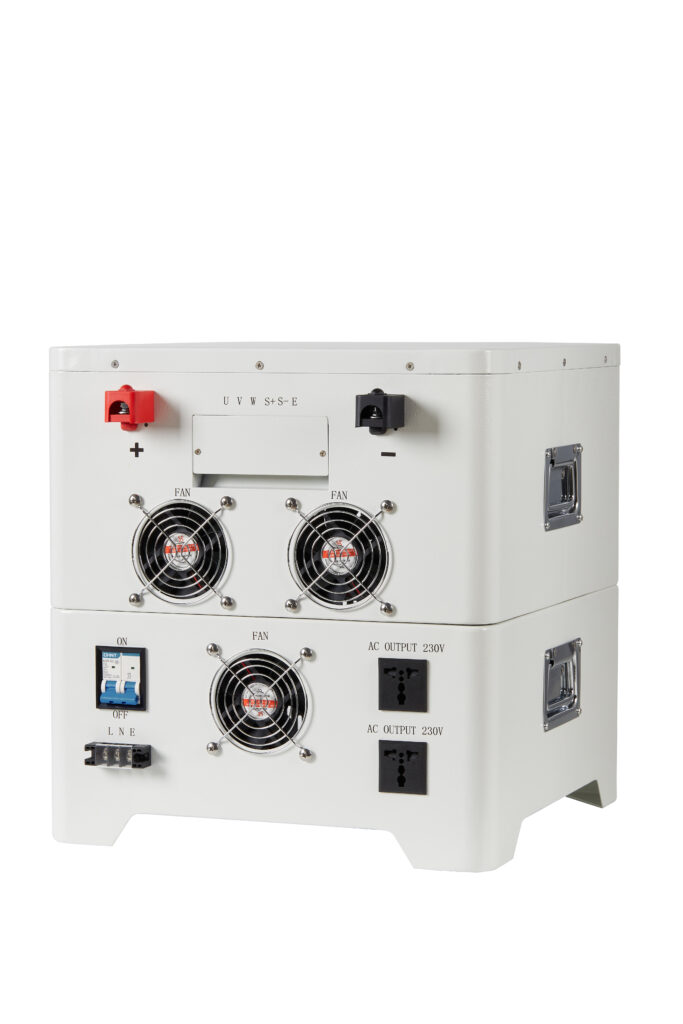
You encounter a line frequency inverter when you need robust power conversion for demanding applications. This inverter uses a heavy-duty transformer to convert DC power from your solar panels into AC power at the standard utility frequency, usually 50 or 60 Hz. The transformer-based design gives the line frequency inverter its distinctive size and weight, but also its reputation for reliability.
Operation
You benefit from the straightforward operation of a line frequency inverter. The inverter takes DC input and passes it through a large transformer, which produces a stable AC output. This process ensures consistent voltage and frequency, making the inverter ideal for sensitive equipment and heavy-duty loads. You will notice that the inverter can handle sudden changes in demand, such as starting motors or running large appliances.
Applications
You often see line frequency inverter models in commercial and industrial settings. These inverters excel in environments where you need to power heavy machinery, pumps, or HVAC systems. You can also use a line frequency inverter in off-grid solar installations, especially when you require a pure sine wave inverter for high-quality AC output. The inverter’s ability to manage large surge currents makes it suitable for backup power systems and emergency generators.
Features
Durability
You rely on the durability of a line frequency inverter for long-term performance. The robust transformer and solid construction allow the inverter to operate for many years with minimal maintenance. You will find that these inverters withstand harsh conditions and heavy loads better than high frequency models.
Line frequency inverters are known for their extended lifespan due to their heavy-duty build.
You can expect minimal maintenance over the years.
These inverters perform reliably in industrial and commercial environments.
Surge Handling
You gain superior surge handling with a line frequency inverter. The transformer design enables the inverter to absorb and deliver high surge currents without damage. You can start large motors or run equipment with high initial power demands. This feature makes the inverter a preferred choice for applications where sudden spikes in power are common.
Note: If you need to power devices with high starting currents, such as refrigerators or air conditioners, a line frequency inverter provides the surge capacity you require.
Waveform Quality
You experience excellent waveform quality with a line frequency inverter. The transformer produces a smooth, pure sine wave output, which protects sensitive electronics and ensures efficient operation. You avoid issues like electrical noise or interference, which can occur with lower quality inverters.
Feature | Line Frequency Inverter | High Frequency Inverter |
|---|---|---|
Waveform Quality | Pure sine wave, ideal for sensitive loads | May produce modified sine wave |
Surge Capacity | Handles high surge currents | Limited surge capability |
Durability | Long lifespan, robust build | Shorter lifespan, lighter build |
Applications | Heavy-duty, industrial, off-grid | Residential, portable, small loads |
You should choose a line frequency inverter when you need reliable, long-lasting power for demanding applications. The combination of durability, surge handling, and pure sine wave output makes this inverter type essential for commercial, industrial, and off-grid solar systems.
High Frequency vs Line Frequency Inverter Comparison
Performance
Efficiency
You want your solar system to deliver maximum power with minimal loss. The conversion efficiency of an inverter plays a critical role in overall system performance. A high frequency inverter uses advanced high frequency switching technology, which allows it to achieve higher conversion efficiency compared to traditional models. You benefit from reduced energy loss and improved output, especially in residential and small commercial installations.
Inverter Type | Efficiency Comparison |
|---|---|
High Frequency Inverter | Higher efficiency due to reduced energy loss and advanced switching devices. |
Line Frequency Inverter | Lower efficiency due to larger components and higher losses. |
You notice that a high frequency inverter typically reaches conversion efficiency levels of 90-95%. This means you get more usable energy from your solar panels. In contrast, a line frequency inverter often operates at lower efficiency, which can result in more energy lost as heat.
Energy Loss
You want to minimize wasted energy in your solar setup. High frequency inverter models excel at reducing energy loss because they use smaller transformers and advanced electronics. The rapid switching process keeps heat generation low and maintains high performance. You see less wasted power, which translates to better overall system efficiency.
Line frequency inverters, on the other hand, use large transformers that generate more heat during operation. This design leads to higher energy loss, especially when running at partial loads. You may notice a drop in performance if your system operates under varying conditions.
Reliability
Lifespan
You expect your inverter to last for years without frequent replacement. Reliability and lifespan are important factors in your decision. High frequency inverter models use modern components like IGBT modules, which can be sensitive to temperature and voltage fluctuations. You may experience a shorter lifespan if the inverter operates in harsh environments or under heavy loads.
Line frequency inverters rely on mature SCR technology and robust transformers. You benefit from a longer lifespan and better durability, especially in demanding applications. These inverters perform well in industrial settings and off-grid systems where reliability is essential.
Feature | High-Frequency Inverters | Low-Frequency Inverters |
|---|---|---|
Durability | Poor | Better |
Lifetime | Shorter | Longer |
Real-world applications | Ideal for high power loads, off-grid systems, inductive loads, industrial applications, and harsh environments |
Maintenance
You want to minimize downtime and maintenance costs. High frequency inverter systems require careful monitoring due to their sensitive electronic components. You may need to replace parts more frequently, especially if the inverter operates in challenging conditions.
Line frequency inverters offer simpler maintenance routines. The heavy-duty transformer and fewer electronic parts mean you spend less time and money on repairs. You enjoy reliable performance with minimal intervention, making these inverters a solid choice for long-term installations.
Load Compatibility
Impact Loads
You need an inverter that can handle a variety of loads, including motors and appliances with high starting currents. Pure sine wave inverter models are recommended for inductive loads because they provide stable power output and protect sensitive equipment. You benefit from smooth sine wave output, which prevents damage and ensures reliable operation.
Pure sine wave inverter systems deliver high-quality current for inductive loads.
You get high peak power handling capacity, allowing the inverter to manage instantaneous high peak currents.
Multiple protection functions help prevent breakdowns and maintain stability.
Surge Capacity
You want your inverter to handle sudden spikes in power demand. Low-frequency inverters excel in surge capacity due to their heavy transformers. You can start devices like refrigerators, air conditioners, and power tools without worrying about overloads. These inverters deliver significant power for short bursts, making them ideal for demanding applications.
High frequency inverter models, while efficient, typically have a surge capacity of only 1.5-2 times their rated power. You may find this limiting if your system needs to handle heavy surge loads. For installations with frequent impact loads, a line frequency inverter provides the reliability and surge handling you require.
Low-frequency inverters manage high surge loads with ease.
High frequency inverter systems offer limited surge capacity, best suited for stable, predictable loads.
Tip: If your solar system powers motors or appliances with high starting currents, choose a pure sine wave inverter with robust surge capacity for optimal performance.
Cost and Size
Price
You want to maximize your investment when choosing an inverter for your solar system. Price plays a major role in your decision. A high frequency inverter usually costs less than a line frequency inverter. Manufacturers use smaller components and advanced electronics in a high frequency inverter, which reduces production costs. You benefit from this streamlined design because you pay less upfront.
A line frequency inverter uses a large transformer and heavy-duty materials. This construction increases the price. You may find that a line frequency inverter costs significantly more, especially for models with higher power ratings. If you need a pure sine wave inverter for sensitive electronics, you often pay a premium for the transformer-based design.
Tip: If you have a limited budget, a high frequency inverter offers a cost-effective solution for most residential and small commercial solar systems.
Here is a quick comparison:
Inverter Type | Typical Price Range | Cost Factors |
|---|---|---|
High Frequency Inverter | Lower | Smaller components, mass production |
Line Frequency Inverter | Higher | Large transformer, robust build |
You should consider your budget and the specific needs of your solar installation before making a final choice.
Footprint
Space is another important factor when selecting an inverter. A high frequency inverter stands out for its compact footprint. You can install a high frequency inverter in tight spaces, mount it on walls, or use it in portable solar kits. The lightweight design makes it easy to handle and move. You save valuable space in your home, RV, or business.
A line frequency inverter takes up much more room. The large transformer and heavy casing make the inverter bulky and difficult to install in small areas. You may need dedicated floor space or reinforced mounting points for a line frequency inverter. This can limit your options if you have space constraints.
Consider these points when evaluating inverter size:
A high frequency inverter fits easily in limited spaces and weighs less.
A line frequency inverter requires more room and is much heavier.
You can choose a pure sine wave inverter in either design, but the high frequency inverter offers greater flexibility for compact installations.
Inverter Type | Size/Weight | Installation Options |
|---|---|---|
High Frequency Inverter | Small, lightweight | Wall-mount, portable, tight spaces |
Line Frequency Inverter | Large, heavy | Floor-mount, industrial settings |
Note: If you need a solar system for an RV, boat, or small home, a high frequency inverter provides the best balance of size and performance.
You should match the inverter footprint to your available space and installation requirements. A high frequency inverter gives you more flexibility, while a line frequency inverter suits larger, permanent setups.
Pros and Cons
High Frequency Inverter
Advantages
You gain several benefits when you choose a high frequency inverter for your solar system.
You experience high efficiency, with minimal energy loss during DC to AC conversion.
You enjoy a compact and lightweight design, which makes installation easy in tight spaces or portable setups.
You can access advanced monitoring features, such as built-in Wi-Fi or Bluetooth, allowing you to track energy production in real time.
You benefit from shorter switching periods, which reduce current leakage and further improve efficiency.
You take advantage of advanced switching devices like IGBT or MOSFET, which help lower switching losses and boost overall performance.
You notice quieter operation, which is ideal for residential environments.
Tip: If you need a pure sine wave inverter for sensitive electronics, high frequency models often provide excellent waveform quality in a small package.
Disadvantages
You should consider some limitations before selecting a high frequency inverter.
You may encounter a shorter lifespan, especially if the inverter operates in harsh conditions or under heavy loads.
You face limited surge capacity, which can restrict the inverter’s ability to start large motors or handle sudden spikes in power demand.
You might need more frequent maintenance due to sensitive electronic components.
You may find that some models produce modified sine wave output, which is less suitable for inductive loads.
Note: High frequency inverters work best for stable, predictable loads and environments where space and weight matter most.
Line Frequency Inverter
Advantages
You receive distinct advantages when you use a line frequency inverter in your solar setup.
Advantage | Description |
|---|---|
You adjust motor speed to match load, enhancing energy efficiency and reducing consumption. | |
Precise Control | You enable accurate motor speed control for varying conditions, improving process stability and reliability. |
Smooth Starting | You provide gentle motor start, minimizing impact and extending motor lifespan. |
Energy Saving and Emission Reduction | You reduce energy consumption and carbon emissions by adjusting motor speed as needed. |
Reducing Equipment Loss | You lower motor speed during non-operation, decreasing mechanical loss and prolonging equipment life. |
Versatility | You adapt to various applications, offering flexible control solutions across different fields. |
Reduced Mechanical Shock | You make smooth speed adjustments, reducing mechanical shock and enhancing equipment stability and reliability. |
You benefit from robust surge handling, which allows the inverter to start large motors and manage high peak currents.
You rely on a pure sine wave inverter output, which protects sensitive electronics and ensures compatibility with inductive loads.
You enjoy a longer lifespan and minimal maintenance, thanks to the heavy-duty transformer design.
Disadvantages
You should weigh the drawbacks of a line frequency inverter before making your decision.
Disadvantage | Description |
|---|---|
Larger and heavier | You deal with larger transformers and components, increasing size and weight. |
Higher cost | You pay more due to heavy transformers and large components. |
Noisy | You may notice significant noise during operation, especially under load. |
Low efficiency | You lose more energy as heat, resulting in lower efficiency compared to high frequency inverters. |
You may find installation challenging in space-limited environments.
You face higher upfront costs, especially for pure sine wave inverter models designed for industrial use.
You experience more noise, which can be disruptive in residential settings.
Tip: Choose a line frequency inverter if you need durability, surge capacity, and pure sine wave output for demanding applications.
Choosing the Right Inverter
Selecting the right inverter for your solar system requires careful consideration of several important factors. You need to match your inverter to your specific application, load type, budget, and available space. By understanding these elements, you can maximize system performance and avoid costly mistakes.
Factors
Application
You should start by identifying the main purpose of your solar installation. Residential, commercial, and off-grid systems each have unique requirements. For example, a home solar setup often prioritizes quiet operation and compact size, while a commercial project may demand higher power output and advanced monitoring features. Always align your inverter choice with your system’s intended use.
Load Type
The type of electrical loads you plan to power will influence your inverter selection. Some devices, like refrigerators or pumps, require high surge capacity at startup. Others, such as computers or LED lighting, need stable, clean power. The table below helps you match inverter types to your load needs:
Inverter Type | Suitable Load Type | Key Advantages |
|---|---|---|
High frequency inverter | Lighter, more stable loads | More efficient, compact |
Low frequency inverter | Heavy-duty applications, high surge power | Robustness, durability, suitable for industrial use |
If you plan to run sensitive electronics, consider a pure sine wave inverter for the best protection and compatibility.
Budget
Your budget will play a significant role in your decision. High frequency inverter models usually cost less and offer excellent value for most residential and small business applications. If you need a solution for heavy-duty or industrial loads, you may need to invest more in a line frequency inverter. Always balance upfront costs with long-term reliability and maintenance needs.
Space
Space constraints can limit your options. High frequency inverter systems feature a compact, lightweight design, making them ideal for wall mounting or portable setups. Line frequency inverters require more room due to their large transformers. Measure your available space before making a final decision.
Tip: Always check the inverter’s capacity against your solar array’s DC rating. Aim for an inverter size between 75% and 100% of your array’s output for optimal performance.
Use Cases
Residential
For home solar systems, you want an inverter that delivers high efficiency, quiet operation, and easy installation. Look for models with smart monitoring features, so you can track your system’s performance in real time. The table below highlights key factors for residential inverter selection:
Factor | Description |
|---|---|
Size and Compatibility | Choose an inverter with a capacity between 75-100% of your solar array’s DC rating for optimal performance. |
Efficiency Ratings | Look for inverters with efficiency ratings of 96% or higher to maximize energy production and savings. |
Warranty Coverage | Opt for inverters with warranties ranging from 5 to 12 years, with options for extended coverage. |
Smart Monitoring Capabilities | Modern inverters offer real-time performance tracking through apps, enhancing system control and maintenance. |
A high frequency inverter often meets these needs, providing a compact footprint and advanced features for modern homes.
Commercial
In commercial settings, you need an inverter that can handle larger loads and deliver reliable performance. High frequency inverter models help businesses optimize their solar investments by supporting larger arrays and improving grid compliance. You also benefit from enhanced energy efficiency, which can reduce operational costs by up to 15%. Manufacturing plants and offices often report improved uptime and better control over their energy systems.
High frequency inverters optimize solar investments for businesses.
They support larger solar arrays with enhanced grid compliance.
These inverters improve energy efficiency and help meet sustainability goals.
Manufacturing plants using them report improved system uptime and energy efficiency, achieving up to 15% reduction in operational costs.
Off-Grid
Off-grid solar systems require robust and durable inverters. You need a model that can handle high surge loads and provide stable power for a variety of appliances. Line frequency inverters, especially those with pure sine wave output, excel in these environments. They deliver reliable performance for cabins, remote homes, and backup power systems where grid access is unavailable.
Note: For off-grid setups, always consider future expansion. Choose an inverter with enough capacity to support additional panels or batteries if your energy needs grow.
Mistakes to Avoid
Compatibility
One of the most common mistakes is choosing the wrong inverter size. Oversizing can cause the inverter to operate below its optimal range, reducing efficiency. Undersizing leads to energy loss when your solar panels produce more power than the inverter can handle. Always calculate your DC-to-AC ratio carefully, considering your energy usage and local conditions.
You should also avoid underestimating your power needs or ignoring battery voltage requirements. Failing to check these details can result in equipment damage, reduced system efficiency, and even safety hazards.
Efficiency
Ignoring inverter efficiency ratings can cost you in the long run. Low-efficiency models waste more energy as heat, reducing your overall savings. Always select an inverter with a high efficiency rating—preferably 96% or higher—to maximize your solar investment. Pay attention to features like smart monitoring and warranty coverage, which can further enhance your system’s performance and reliability.
⚠️ Alert: Inadequate knowledge about inverters, underestimating power needs, and failing to plan for future expansion are frequent mistakes. Take time to research and consult with experts before making your final choice.
Angsun Solar Support
Consultation
You can reach out to Angsun Solar for expert advice on selecting the right inverter for your solar system. The team understands that every installation is unique. You receive personalized recommendations based on your energy needs, available space, and budget. If you have questions about pure sine wave inverter models or need help comparing high frequency and line frequency options, Angsun Solar provides clear answers. You can schedule a consultation by phone, email, or through the website contact form.
Tip: You should prepare a list of your appliances and expected energy usage before your consultation. This helps Angsun Solar recommend the most suitable inverter for your setup.
Product Options
Angsun Solar offers a wide range of inverter solutions for residential, commercial, and off-grid applications. You can choose from high frequency inverter models for compact installations or line frequency inverter units for heavy-duty use. The product lineup includes pure sine wave inverter systems, which deliver clean and stable power for sensitive electronics. You find options with advanced monitoring features, such as Wi-Fi connectivity and real-time performance tracking. If you need an inverter for a specific application, Angsun Solar helps you compare models and select the best fit.
High frequency inverter: Ideal for homes, RVs, and portable solar kits.
Line frequency inverter: Best for industrial sites, off-grid cabins, and backup power systems.
Pure sine wave inverter: Recommended for computers, medical devices, and appliances with motors.
Product Type | Key Features | Best Use Case |
|---|---|---|
High frequency inverter | Lightweight, efficient, quiet | Residential, mobile setups |
Line frequency inverter | Durable, high surge capacity | Industrial, off-grid systems |
Pure sine wave inverter | Stable output, protects electronics | Sensitive equipment |
You can request product brochures or technical specifications to compare inverter models side by side.
Warranty
You receive strong warranty coverage when you purchase an inverter from Angsun Solar. Most inverter products come with warranties ranging from 5 to 12 years. You can extend coverage for select pure sine wave inverter models, ensuring long-term protection for your investment. If you experience any issues, Angsun Solar provides responsive after-sales support. You get help with troubleshooting, repairs, and replacement parts. The warranty terms cover manufacturing defects and performance guarantees, giving you peace of mind.
Note: You should review warranty details before making a purchase. Ask about coverage for surge events and maintenance support for your chosen inverter.
You can rely on Angsun Solar for ongoing support throughout the life of your inverter. The team helps you maximize system performance and maintain reliable power for years to come.
You see clear differences between high frequency and line frequency inverters. High frequency models offer higher efficiency, smaller size, and advanced technology. Line frequency inverters provide durability and strong surge handling for heavy loads. The table below highlights key features based on current industry trends:
Feature | High Frequency Inverters | Line Frequency Inverters |
|---|---|---|
Efficiency | Lower | |
Size and Weight | Reduced by ~30% | Larger and heavier |
Application Range | Small and medium-power systems | High-power systems |
Future Trends | Expected to dominate | Less innovative |
You should choose the inverter that matches your application and power needs. For expert guidance on pure sine wave inverter solutions, reach out to Angsun Solar.
FAQ
What is the main difference between a high frequency inverter and a line frequency inverter?
You see the main difference in their internal design. High frequency inverters use advanced electronics for compact size and efficiency. Line frequency inverters rely on large transformers for durability and surge handling. Both can offer pure sine wave inverter output.
Can I use a high frequency inverter for all types of loads?
You can use a high frequency inverter for most household and office devices. However, for heavy motors or equipment with high starting currents, you should consider a line frequency or pure sine wave inverter for better surge capacity.
Why should I choose a pure sine wave inverter?
You should choose a pure sine wave inverter if you want to protect sensitive electronics. This inverter provides clean, stable power. It prevents malfunctions and extends the lifespan of devices like computers, medical equipment, and modern appliances.
How do I size my inverter for my solar system?
You should match your inverter’s capacity to your solar array’s output. Aim for an inverter rated at 75% to 100% of your solar panels’ DC capacity. Always check the requirements for pure sine wave inverter compatibility with your appliances.
Are high frequency inverters more efficient than line frequency inverters?
You benefit from higher efficiency with high frequency inverters. These models use advanced switching technology to reduce energy loss. For most residential systems, a high frequency pure sine wave inverter maximizes usable power from your solar panels.
What maintenance do inverters require?
You should keep your inverter clean and ensure proper ventilation. High frequency inverters may need more frequent checks due to sensitive electronics. Line frequency inverters require less maintenance because of their robust transformer design.
Can I use a pure sine wave inverter in an off-grid system?
You can use a pure sine wave inverter in off-grid systems. This inverter type delivers stable power for sensitive devices and handles variable loads. Many off-grid users prefer pure sine wave inverters for reliability and equipment protection.
How long does an inverter typically last?
You can expect a high frequency inverter to last 5-10 years with proper care. Line frequency inverters often last longer, sometimes over 15 years. Choosing a pure sine wave inverter with a strong warranty ensures long-term performance and peace of mind.